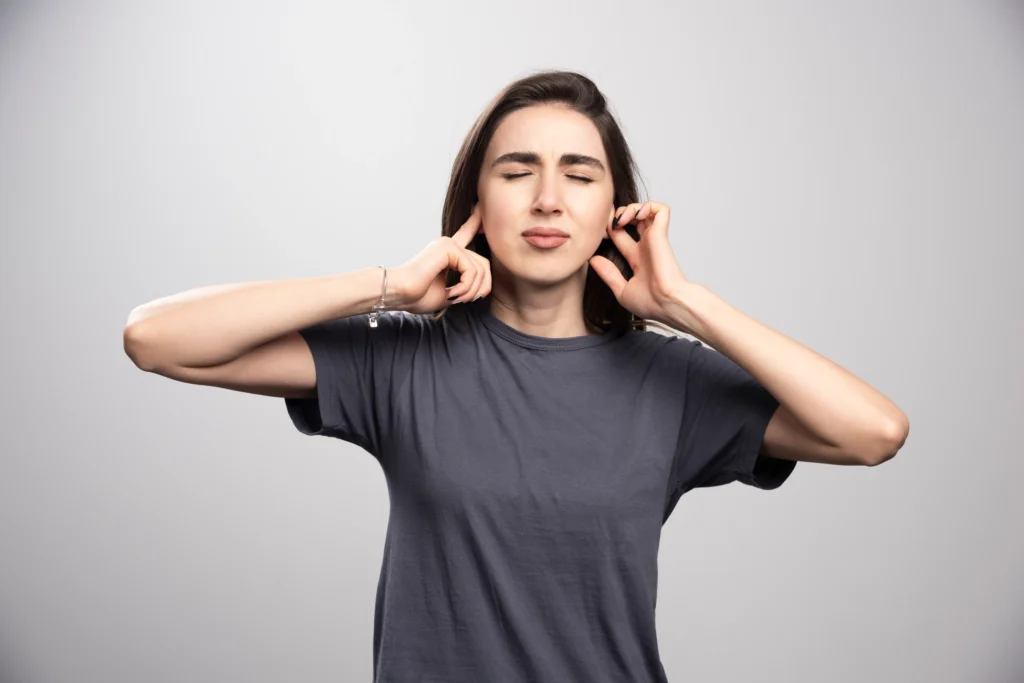


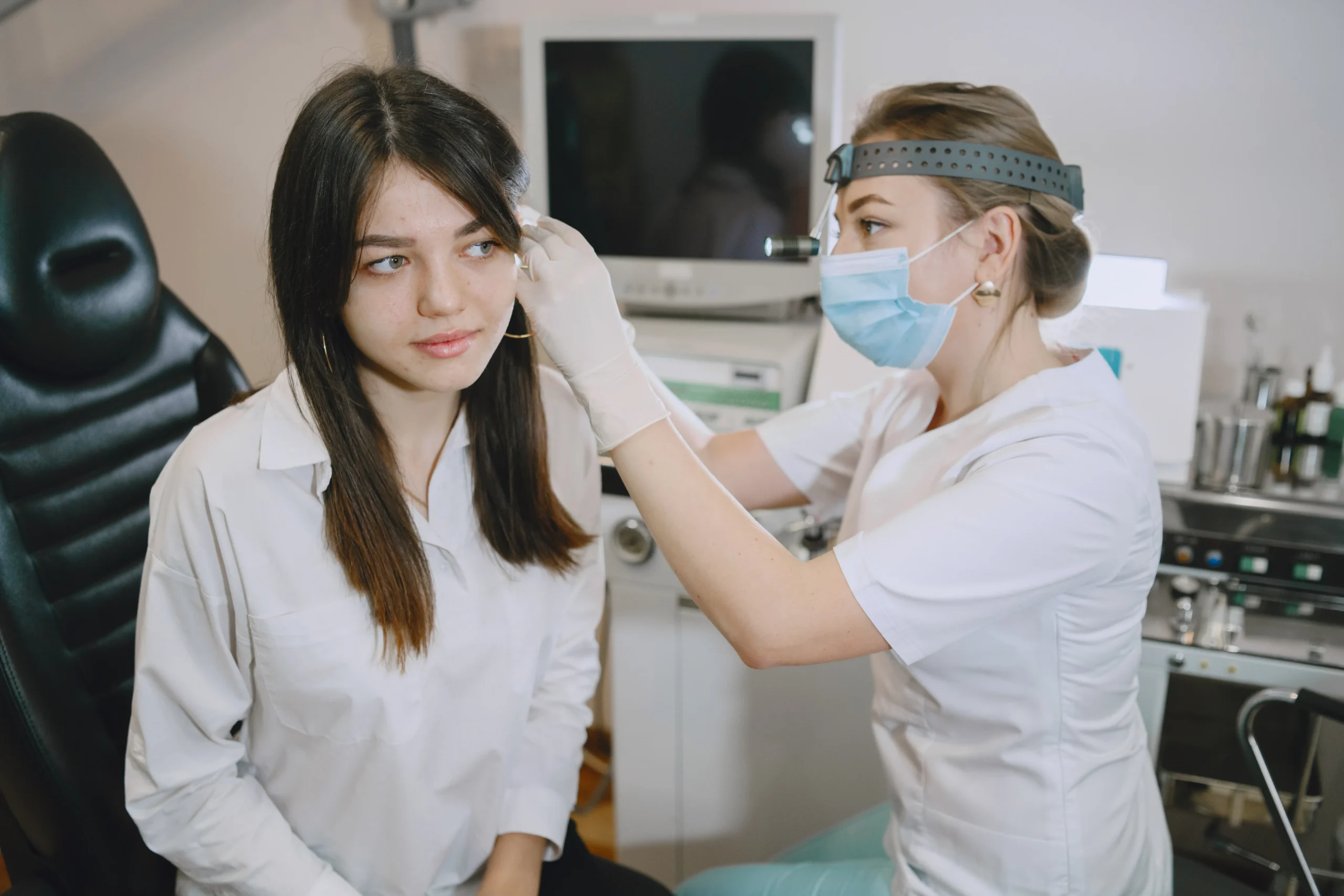
Hearing allows us to stay connected with our loved ones, enjoy conversations, and feel confident in everyday situations. When hearing loss becomes permanent, it can feel frustrating and even isolating.
The good news is that permanent hearing loss treatment has advanced significantly over the years. While permanent hearing loss may not always be fully cured, it can be managed effectively with the right diagnosis.
If you or a loved one are experiencing ongoing hearing difficulties, scheduling a professional hearing evaluation at Adirondack Audiology can provide clear answers and personalized treatment options. Our experienced audiologists carefully assess your hearing, explain results in simple language, and guide you toward the most effective solutions to help you hear with confidence again.
In this blog, we’ll explain permanent hearing loss treatment options in easy-to-understand words so you can make informed decisions about your hearing health.
Table of Contents
- Understanding Hearing Loss
- How to Tell If Hearing Loss Is Permanent or Temporary
- Permanent Hearing Loss Treatment Options
- Mild Hearing Loss Treatment
- Conclusion
- FAQs
Understanding Hearing Loss
Before we talk about treatment, it is important to understand the basics. There are 4 types of hearing loss:
- Conductive hearing loss
- Sensorineural hearing loss
- Mixed hearing loss
- Auditory neuropathy
Each type affects the ear in a different way. Conductive hearing loss usually involves problems in the outer or middle ear. Sensorineural hearing loss happens due to damage in the inner ear or hearing nerve. Mixed hearing loss is a combination of both. Auditory neuropathy affects how the brain processes sound signals.
Some common diseases that cause hearing loss include ear infections, diabetes, high blood pressure, Meniere’s disease, and viral infections. Aging and long-term exposure to loud noise are also major causes.
How to Tell If Hearing Loss Is Permanent or Temporary
Many people wonder how to tell if hearing loss is permanent or temporary. Temporary hearing loss usually happens due to earwax buildup, fluid in the ear, or mild infections. It often improves with treatment.
Permanent hearing loss, on the other hand, is usually caused by damage to the inner ear or nerve. If hearing does not improve after medical treatment or lasts for several weeks, it may be permanent. The best way to know for sure is to get a professional hearing test from an audiologist.

Permanent Hearing Loss Treatment Options
Permanent hearing loss cannot always be fully cured, but it can be managed very effectively. Modern technology has made life much easier for people with hearing difficulties.
Hearing Aids
Hearing aids are the most common solution. They amplify sounds and make it easier to hear conversations and environmental noises. Today’s devices are small, comfortable, and very advanced.
Cochlear Implants
For severe cases, cochlear implants may be recommended. These devices bypass the damaged part of the ear and directly stimulate the hearing nerve.
Assistive Listening Devices
Other hearing devices like amplified phones, TV listening systems, and alert systems can also improve daily life.
When discussing Sensorineural hearing loss treatment, hearing aids and cochlear implants are usually the main solutions because this type involves nerve damage that cannot be reversed with medicine alone.
Mild Hearing Loss Treatment
If you have slight difficulty hearing soft sounds or conversations in noisy places, you may need mild hearing loss treatment. In such cases, small hearing aids or personal sound amplification devices may be recommended.
Early hearing treatment prevents the condition from affecting communication and mental health. Even mild hearing problems should not be ignored.
Conclusion
Permanent hearing loss can feel challenging, but it does not mean the end of a normal life. With the right diagnosis, advanced technology, and professional support, you can hear better and live confidently.
Early testing is the key to better results. Do not ignore the signs of hearing difficulty. Seeking help at the right time can protect your hearing health for years to come.
If you have been looking for a professional audiologist, then Adirondack Audiology is the right name for you. We offer hearing tests and personalized treatment plans designed to improve your quality of life.
Call us today at +1 (802) 922-9545 to book your appointment and visit our nearest center to experience hassle-free service from our team of experts.
FAQs
1. Is permanent hearing loss treatable?
Permanent hearing loss usually cannot be fully cured, but it can be effectively managed with hearing aids, cochlear implants, and assistive devices that improve communication and daily life.
2. How to heal hearing loss?
Healing depends on the cause. Temporary hearing loss may improve with medicine, but permanent damage often requires hearing devices and professional treatment for better sound clarity.
3. How to improve hearing ability?
You can improve hearing ability by using prescribed hearing aids, reducing background noise, protecting ears from loud sounds, and attending regular audiology check-ups for adjustments.
4. What are the side effects of losing hearing in one ear?
Hearing loss in one ear can cause difficulty locating sounds, understanding speech in noise, balance problems, and increased listening effort leading to fatigue and frustration.
5. What is the hearing loss treatment 2026?
Hearing loss treatment 2026 focuses on advanced digital hearing aids, AI-based sound processing, improved cochlear implants, and ongoing research in regenerative therapies for inner ear repair.
6. Can a person recover from hearing loss?
Recovery depends on the cause. Temporary hearing loss may improve with treatment, but permanent hearing loss generally requires devices and therapy rather than full natural recovery.